

A Wikipedia bio is a short page that shares real facts about a person’s life, career, and impact. It helps readers learn who they are and why their work matters. Learning how to write a Wikipedia bio teaches you how to present facts clearly so people can trust what they read. Every Wikipedia bio must meet a notability test, which shows whether a person’s story is important enough to be included. This test depends on strong sources like news articles, interviews, or published work. When a biography passes, it stays online and earns trust. If it fails, it may be removed or changed by editors. Knowing these basics helps you create a page that feels genuine and fits within Wikipedia’s purpose of sharing reliable information.
Step 1 – How To Write Your Own Wikipedia Bio: Understand Wikipedia’s Notability Guidelines
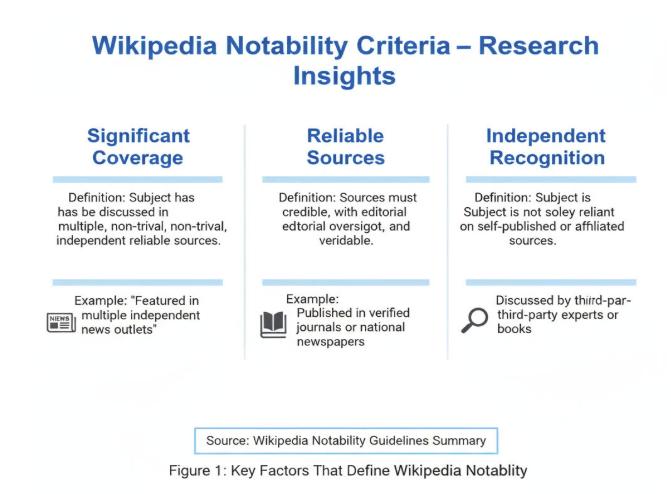
Before learning how to write biography in Wikipedia, it is essential to understand notability. Every biography must prove that its subject has been discussed or recognized by reliable third-party sources. These could include news outlets, books, academic journals, or verified interviews.
Wikipedia editors carefully evaluate notability before approving a page. The key is to collect evidence that supports why the person deserves a page of their own. This process prevents promotional or self-created content from taking over the encyclopedia.
What Does “Notability” Mean for Wikipedia Bios?
Notability means more than fame. It shows lasting importance based on coverage from independent and credible media. When learning how to write a Wikipedia biography, writers must ensure that their subject has been covered by multiple sources that are not directly related to them.
The standard for individuals, organizations, or creative works can vary, but the idea is always the same: independent recognition. Before drafting, check how similar figures are represented through examples, like how to create a Wikipedia page for an artist, which illustrates how notable profiles are structured.
Key Criteria for Notability in Wikipedia Bios
When planning how to write your own Wikipedia bio, focus on two key ideas: significant coverage and independence of sources. These determine whether the subject meets the threshold for inclusion.
Significant Coverage in Reliable Sources
“Significant coverage” means that the subject is featured in articles or books with real detail, not just passing mentions. Sources like magazines, established newspapers, or published interviews help demonstrate this coverage. Learning from Wikipedia biography writing guidelines helps you identify what qualifies as strong evidence.
Independence of Sources
All references should come from third parties who are not connected to the subject. Independent verification adds strength to your article and prevents bias. Writers who ignore this rule while figuring out how to write your own Wikipedia bio risk deletion or modification of their page.
How to Determine If Someone Is Notable Enough for Wikipedia
Before writing, always evaluate whether the person or organization qualifies for a page. The best way to confirm this is to look at the amount and quality of independent coverage available.
Use of Independent and Verifiable References
Use trustworthy references that show the subject’s recognition. Articles, books, and professional publications are the most reliable. A smart approach is to start collecting these early. Explore guides like how much does it cost to edit Wikipedia to understand how editors evaluate quality and accuracy.
Actionable Tip: Create a folder of your verified sources before you begin writing. This will help you structure the biography correctly from the start and avoid future revisions.
Step 2 – Structuring for Maximum Impact: How to Write Biography in Wikipedia
The structure of your biography plays a major role in how it is received. Experienced Wikipedia biography writers emphasize that the article must be clear, organized, and neutral. Each section should build logically, guiding readers through key milestones.
Readers often judge a page’s credibility by its tone and layout. Using the right structure helps present the subject’s achievements in a balanced way.
Writing the Introductory Paragraph: Make It Engaging Yet Neutral
The introduction sets the tone for the entire biography. When writing your own Wikipedia bio, focus on clarity, not style. The opening paragraph should include the subject’s full name, main profession, and one or two major achievements supported by references.
The Key Elements to Include in the Introduction
A well-written introduction identifies who the person is, why they are notable, and what makes them relevant. Keep it concise and factual. Review models like how to edit a Wikipedia page to see how verified information is presented without bias.
Avoiding Subjective Language
Wikipedia strictly forbids promotional tone. Every sentence must remain factual and neutral. Avoid adjectives like “great,” “famous,” or “renowned.” Instead, let the facts speak through strong references.
Organizing the Biography Section for Maximum Impact
To learn how to write a Wikipedia biography, it helps to follow a proper order. The biography should move from early life to career highlights, achievements, and recognitions. Readers appreciate logical flow, and editors prefer this standard structure.
Breaking the Bio into Clear, Digestible Sections
Break content into sections that cover early background, education, career growth, and public recognition. Each section should include relevant details and verifiable sources.
Prioritizing Important Information First
List the most important and notable achievements at the start of each section. This makes your article stronger and instantly shows notability. Check examples in how to create a Wikipedia biography, which display how facts are prioritized effectively.
Focus on Significant Achievements and Contributions
Highlight only achievements that received coverage from independent publications. Avoid minor details or unsourced claims. The secret behind how to write your own Wikipedia bio is balance; not every life event needs to be included, only those that meet Wikipedia’s standards.
Highlighting Major Milestones
Mention milestones that were publicly recognized, such as awards, notable works, or major appearances. Choose only events supported by outside sources to show credibility.
Citing Reliable Third-Party Sources for Each Claim
Every statement should have a citation. It protects your article from disputes and adds trust. You can find reliable reference techniques from guides like how to create a Wikipedia page for a person, which explain source placement.
Actionable Tip: Use a clean layout when citing. Each section should link to verified information, showing the reader where each fact comes from.
Step 3 – Formatting and Style Requirements for How to Write a Wikipedia Biography
Before learning how to write a Wikipedia bio, it’s important to understand Wikipedia’s formatting rules. The way a biography is written and structured can decide whether it is accepted or flagged for revision. This section helps you follow the Wikipedia biography formatting rules while keeping your writing clean, neutral, and factual.
Wikipedia’s Writing Style: Neutral, Factual, and Professional
Wikipedia bios follow a neutral tone. This means you must write without opinion, praise, or exaggeration. Every statement should be factual and verifiable. Following this approach ensures your work fits into Wikipedia’s professional standards and remains trusted by readers and editors alike.
Avoiding Self-Promotion in the Bio
Promotional writing can cause a biography to be rejected. Editors prefer neutral wording that informs rather than markets the subject. Avoid phrases that make claims about excellence, popularity, or influence. Many also ask, does Wikipedia pay for articles? While the platform does not offer compensation for writing, focusing on verifiable achievements, not opinions or self-praise, is key. The best biographies concentrate on objective facts that can be substantiated by reliable sources.
Writing in the Third-Person Perspective
Every biography on Wikipedia is written in the third person. Instead of saying “I” or “we,” describe the subject using their name. For example, “She began her career as…” keeps the writing formal and neutral. This small change makes the bio feel professional and consistent with Wikipedia’s expectations.
Formatting Your Bio to Meet Wikipedia’s Technical Guidelines
Good structure is as important as strong content when your concern is how to write a Wikipedia bio. Readers should easily move between sections and find information without confusion. Wikipedia encourages a layout with organized sections, citations, and formatting consistency.
Proper Use of Headings and Subheadings
Break your biography into sections such as “Early Life,” “Career,” and “Achievements.” These help readers follow the timeline smoothly. Use subheadings when describing different roles or major events. This clear structure improves readability and meets Wikipedia’s formatting expectations.
Citation Formatting: How to Properly Cite Sources on Wikipedia
Wikipedia requires accurate and consistent citation formatting. Use inline citations or footnotes to show where each fact comes from. Include links to external references only when they are credible. For guidance, explore examples from Wikipedia biography writing services, which often follow perfect citation models for client pages.
Actionable Tip: Review several published Wikipedia bios that follow the correct citation style. Pay attention to how editors use references and headings to keep the article clear and reliable. Copying this structure can make your biography stronger and easier to approve.
Step 4 – Verifying and Citing Sources According to Wikipedia Biography Writing Guidelines
Before you publish, make sure every statement in your biography can be traced to a credible source. When learning how to write biography in Wikipedia, accuracy and sourcing are non-negotiable. Wikipedia editors expect proof for each fact, which is why this step focuses on finding and verifying every citation carefully.
Finding Reliable and Independent Sources
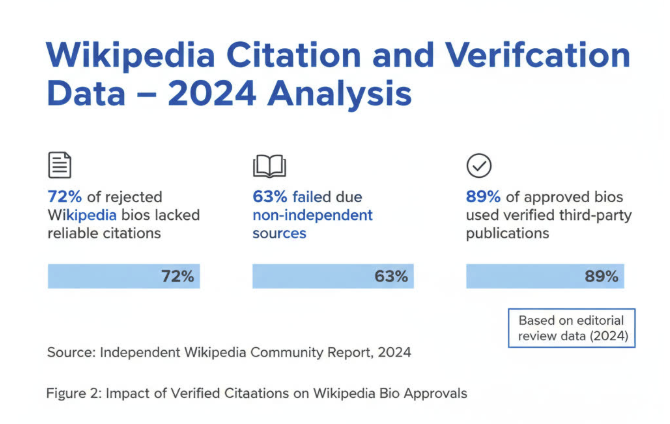
Reliable sources determine whether your work passes notability review. Avoid personal websites, blogs, or social media references. Instead, look for publications that have editorial oversight or peer review. The stronger your sources, the higher the credibility of your article.
What Constitutes a “Reliable” Source?
Reliable sources include established newspapers, journals, and books. Wikipedia values independent verification, meaning the information should not come from the subject or affiliated organizations. Examples include academic papers, national news outlets, and recognized reference sites.
Why Independent Sources Are Crucial for Notability
Independence ensures that your article does not rely on biased or self-published material. Editors are trained to reject sources linked to promotion or sponsorship. Neutral, third-party references prove that your subject is covered by others for their impact, not by themselves for publicity.
Citing Sources Correctly in a Wikipedia Bio
Citations are what hold a biography together. Even if you have strong information, it must be presented transparently. Readers and editors should see exactly where each claim comes from. Learning how to write a Wikipedia bio means mastering the process of referencing with precision.
How to Add Inline Citations and Footnotes
Use inline citations after every verifiable fact. Wikipedia’s citation tool allows easy placement of references directly in text. Footnotes make it simpler for readers to check where the information originated. This method improves both accuracy and trust.
Verifying Sources for Authenticity and Credibility
Before adding a reference, verify its authenticity. Ensure the source is published by a reliable outlet, not by the subject. Outdated or non-independent sources can weaken your article. Strong verification builds trust with editors and protects your biography from being flagged.
Actionable Tip: Create a checklist of all sources before submitting your draft. Tools such as Wikipedia editing services and Wikipedia translate services can help cross-check language accuracy, translation errors, and citation consistency across versions of your article.
Step 5 – Submitting and Updating Your Bio Using Wikipedia Biography Formatting Rules
Once your article is fully written and verified, the next step is submission. Publishing a page requires patience and review, as editors often suggest changes. This section explains how the submission process works and how to keep your bio updated over time.
How to Submit Your Bio for Review and Approval
Submitting to Wikipedia involves creating an account, previewing your article, and submitting it for review. It’s a community-based process where editors examine neutrality, sourcing, and formatting.
The Wikipedia Editing Process: What to Expect
After submission, editors review every section to ensure compliance with Wikipedia’s notability and style rules. They may tag certain parts for citation improvement or clarity. Understanding the workflow helps you respond calmly to feedback. For deeper insights, check our Wikipedia page creator service, which outlines how drafts move through review stages effectively.
Common Reasons for Rejection and How to Avoid Them
Rejections often occur when sources are weak, tone is promotional, or formatting is inconsistent. Avoid these pitfalls by using independent sources and following Wikipedia’s structure carefully. Strong citations and focused writing keep your bio safe from deletion or dispute.
Updating Your Bio: Maintaining Notability Over Time
A Wikipedia page is never truly finished. As achievements grow, updates help maintain accuracy and notability. Consistent updates keep your biography relevant and ensure that your subject’s credibility remains strong over time.
Keeping the Bio Up-to-Date with New Achievements
Add new accomplishments as they appear in reliable media coverage. This includes awards, published work, or notable mentions. Avoid personal blogs or self-published material. Each update should enhance the article’s notability, not repeat old information.
How to Handle Disputes or Rejections
If your page is challenged or deleted, remain calm. Review editor notes carefully and make necessary improvements. Always rely on verified sources to defend your content. In such cases, using our Wikipedia notability assessment services can help evaluate whether your article still meets Wikipedia’s guidelines.
Actionable Tip: Regularly monitor your page for edits or changes. Services like wiki biography services offer maintenance and review assistance, ensuring your bio continues to meet community standards.
Conclusion: Ensuring Your Wikipedia Bio Passes the Notability Test
Writing a Wikipedia bio that meets the notability test needs careful use of trustworthy sources, neutral words, and a clear structure. Focus on independent articles and provable accomplishments to show notability while avoiding promotional or biased language. Following Wikipedia’s rules ensures your biography is believable, well-organized, and reliable, improving approval chances. Keep the content clear, highlight key milestones, and stay neutral. Regularly update your page with new achievements to keep it current and accurate. By understanding these ideas and applying them consistently, you can create a Wikipedia biography that meets standards, reflects real accomplishments, and serves as a dependable public record, encouraging you to start writing your own Wikipedia bio today.